
Navigating the National Disability Insurance Scheme (NDIS) can feel overwhelming, especially when trying to understand how your funding applies to health and fitness. If you're an NDIS participant in Sydney’s Eastern Suburbs, you might be asking: "How can I use my plan to build strength, improve my mobility, and gain independence?" The answer lies in a specific, powerful part of your budget: NDIS Capacity Building fitness.
This isn't about generic gym memberships; it's a strategic approach to building long-term skills that enhance your quality of life. At 6X Training in Maroubra, we specialise in translating confusing NDIS guidelines into tangible, life-changing results. This guide will show you exactly how to leverage your Capacity Building funding to achieve your health and independence goals.
What is NDIS Capacity Building Fitness?
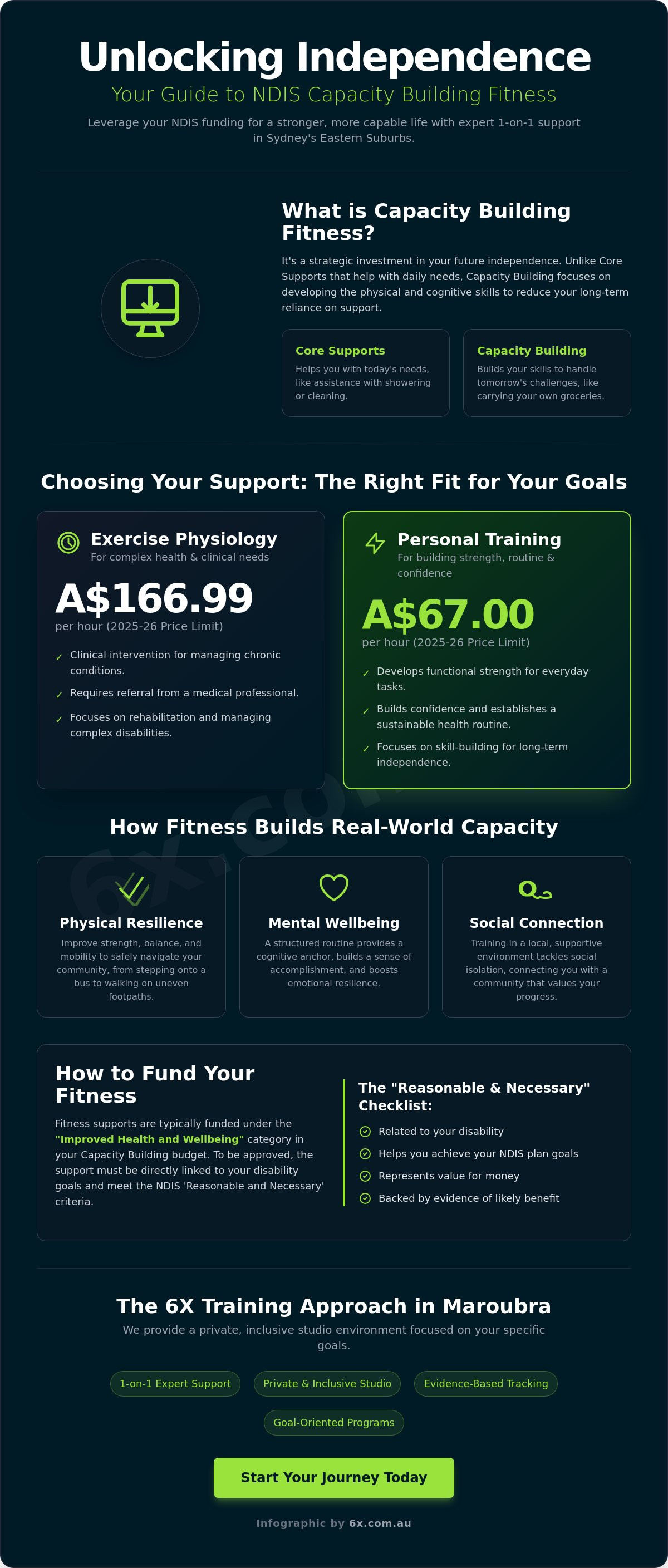
NDIS Capacity Building fitness is not just about exercise; it's about using targeted physical training to develop the skills and physical resilience you need to participate more fully in your community and live more independently. It shifts the focus from short-term assistance to long-term empowerment.
Think of it this way: (National Disability Insurance Scheme (NDIS))
- Core Supports often cover assistance with daily tasks (e.g., help with showering).
- Capacity Building Supports teach you the skills to perform those tasks yourself over time (e.g., building the strength and balance to shower safely and independently).
The National Disability Insurance Agency (NDIA) values this approach because it invests in your future, reducing the need for more intensive supports down the line. It's about building a foundation for a healthier, more independent life.
The "Improved Health and Wellbeing" Category
Most NDIS fitness supports are funded through the Improved Health and Wellbeing budget category within your Capacity Building plan. This funding is specifically designed for services that help you improve your physical health and wellbeing. It can cover supports like exercise physiology and personalised dietary advice. In essence, "Improved Health and Wellbeing" is a dedicated pathway to building your physical capacity and reducing your long-term reliance on other NDIS supports.
Reasonable and Necessary: The NDIS Gold Standard
For any support to be funded by the NDIS, it must meet the "reasonable and necessary" criteria. In a fitness context, this means your training must be directly linked to the specific goals in your NDIS plan. It’s not enough to want to "get fit." Your goals must be more specific, such as:
- Improving your balance to reduce the risk of falls at home.
- Building core and leg strength to transfer in and out of a car independently.
- Increasing your stamina to be able to walk to the local shops in Maroubra or Coogee.
When your fitness programme is clearly aimed at achieving these kinds of functional outcomes, it is far more likely to be considered reasonable and necessary by the NDIA.
How Fitness Builds Capacity for Independence
A structured fitness programme does more than just build muscle; it builds capacity across every area of your life. By focusing on functional strength and movement, you gain tangible skills that translate directly into greater independence and community engagement.
Building Physical Resilience
Targeted resistance training is one of the most effective ways to build the physical resilience needed for "Activities of Daily Living" (ADLs). At 6X Training, our structured programmes are designed to safely improve your functional mobility and bone density. We focus on key areas like core strength, which is fundamental for independent transfers like getting out of a chair or bed. Every exercise is chosen with a specific, real-world outcome in mind, ensuring you're building strength you can actually use. (What are capacity building supports)
Evidence-Based Progress Tracking
Proving the value of your fitness programme is crucial for your NDIS plan reviews. That's why we use data, not guesswork. Our InBody 570 body composition scans provide objective, medical-grade data on metrics like skeletal muscle mass, body fat percentage, and visceral fat. This evidence demonstrates "Improved Health Outcomes" in a way the NDIA understands. Arriving at your next plan meeting with clear proof of results makes it much easier to justify continued funding for your training.
Choosing Your Support: Exercise Physiology vs. Personal Training
Understanding the difference between an Exercise Physiologist (EP) and a Personal Trainer (PT) is key to getting the right support. While both can help you achieve your goals, they play distinct roles within the NDIS framework. At 6X Training, we offer both, providing integrated care under one roof.
When to see an Exercise Physiologist
An Exercise Physiologist is a university-qualified allied health professional who specialises in clinical exercise interventions for people with complex health conditions. You should see an EP if you are managing: (Exercise physiologists and personal trainers)
- Chronic diseases (e.g., diabetes, heart conditions).
- Neurological conditions (e.g., multiple sclerosis, stroke recovery).
- Significant physical disabilities or post-surgery rehabilitation.
EPs can provide detailed clinical reports and assessments that may be required by the NDIA to justify your funding. Our specialised NDIS Exercise Physiology services in Sydney are designed to handle these complex needs with expert care.
When a Personal Trainer is the Right Fit
An NDIS-literate Personal Trainer is the perfect fit if your primary goals are related to general fitness, weight management, building strength, and community engagement. A great PT acts as a "Results-Driven Mentor," providing the accountability, motivation, and expert guidance you need to stay on track. They are ideal for participants who are medically stable but need professional support to learn how to exercise safely and effectively. Often, a PT will work alongside an EP to implement a programme in a holistic, supportive way.
This type of guidance is vital for achieving independence. For those who require support beyond physical fitness, such as in-home care or community participation, you can visit Mighty Mentors WA to see how their dedicated mentoring services can help you reach your life goals.
How to Organise NDIS Fitness in Sydney’s Eastern Suburbs
Getting started with NDIS-funded fitness is a straightforward process when you know the steps. Here’s how you can begin your journey in the Maroubra and Randwick area.
- Check Your Plan: Review your NDIS plan to see if you have funding under "Improved Health and Wellbeing" or "Improved Daily Living" in your Capacity Building budget.
- Consult Your Team: Speak with your Plan Manager or Support Coordinator. Explain how targeted fitness training will help you achieve the specific goals outlined in your plan.
- Find a Local Provider: Search for a local, NDIS-literate studio like 6X Training. It's crucial to choose a provider who understands the NDIS and can create goal-oriented programmes.
- Book an Initial Assessment: A thorough assessment is essential to establish a baseline, understand your needs, and set clear, measurable goals that align with your NDIS plan.
- Establish a Service Agreement: Ensure a formal Service Agreement is in place before you begin. This document outlines the supports provided, costs, and schedule, protecting both you and your funding.
Working with Plan Managers and Support Coordinators
When speaking to your coordinator, always connect fitness to a functional outcome. Instead of saying "I want to go to the gym," explain "I want to build my leg strength so I can safely access community transport." This helps them see the clear capacity-building value. At 6X Training, we work directly with plan-managed and self-managed participants and can provide the necessary quotes and documentation to make this process smooth.
Navigating the "Gym Membership" Hurdle
A common point of confusion is gym memberships. The NDIS will generally not pay for a standard gym membership, as this is considered a day-to-day living cost. They fund the support and skill-building provided by a professional, not just access to a facility. The 1-on-1 and small-group sessions at 6X Training bypass this issue entirely, as your funding is paying for expert coaching and a tailored programme, not general gym access.
The 6X Training Approach: NDIS Fitness in Maroubra
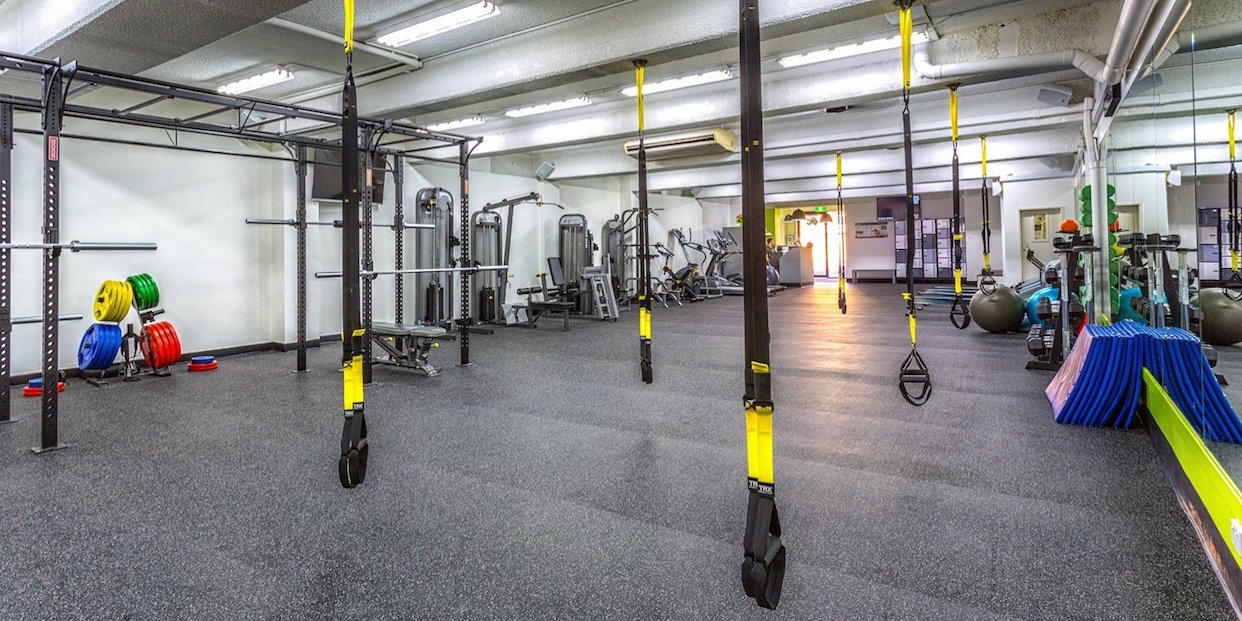
We are not just another gym; we are partners in your independence. For many NDIS participants, a crowded commercial gym can be intimidating or overstimulating. Our private studio in Maroubra offers a controlled, welcoming, and inclusive environment where you can focus on your goals without distraction.
Our "Results-Driven Mentor" philosophy means we are deeply invested in your success. We design tailored NDIS programmes for a range of goals, including for participants with autism, physical disabilities, and mental health challenges, ensuring every session moves you closer to greater independence.
Privacy and Expert Coaching
Our private Maroubra facility is ideal for participants with sensory sensitivities or who simply prefer a more focused environment. With experience delivering guaranteed results since 2011, our expert coaches understand how to adapt exercises for all abilities and ensure your safety is the top priority. We provide professional 1-on-1 Personal Training in Maroubra that is entirely focused on you.
Starting Your 28-Day Kickstart
The best way to see if our community is the right fit is to experience it. We invite you to begin with our 28-Day Kickstart, which allows us to conduct an initial assessment, build your foundational skills, and show you how we can help you achieve your NDIS goals. It’s the first step toward building a sustainable, empowering routine.
Book an NDIS fitness consultation at our Maroubra studio and let's start building your capacity for a more independent life.
Frequently Asked Questions
Will the NDIS pay for my gym membership?
Generally, no. The NDIS does not fund standard gym memberships as they are considered an everyday living cost. However, it can fund the cost of a Personal Trainer or Exercise Physiologist to provide expert support and skill-building in a gym environment.
How do I find an NDIS personal trainer near me in Maroubra?
You can use the NDIS Provider Finder portal or search online for local studios like 6X Training that specialise in NDIS supports. It's important to choose a trainer with experience in disability support and a deep understanding of the NDIS framework.
Can I use "Core Supports" funding for personal training?
It is uncommon. Personal training is almost always funded through a Capacity Building budget, specifically under "Improved Health and Wellbeing." Core Supports are typically reserved for daily assistance, not skill-building activities like fitness.
What is the difference between an Exercise Physiologist and a Personal Trainer under NDIS?
An Exercise Physiologist is an allied health professional who manages complex medical conditions with clinical exercise programmes. A Personal Trainer focuses on general fitness, strength, and motivation for participants who are medically stable. Your specific needs and NDIS goals will determine which is more appropriate.
Do I need a referral from my GP for NDIS exercise physiology?
While a GP referral is not always mandatory to access your NDIS funding, it can be very helpful. A referral or a letter of support from your doctor can strengthen your case for why exercise physiology is "reasonable and necessary" for your disability.
How does 6X Training track my progress for NDIS plan reviews?
We use a combination of performance tracking in your sessions and objective data from our InBody 570 body composition scanner. This provides measurable evidence of improved health outcomes, which you can use in your NDIS plan review meetings to justify continued funding.
Is the 6X Training studio in Maroubra wheelchair accessible?
Yes, our studio is designed to be inclusive and accessible. We encourage you to contact us directly to discuss your specific accessibility requirements so we can ensure a comfortable and supportive experience for you.
Can my support worker attend my training sessions with me?
Absolutely. We welcome support workers to attend sessions. They can be a great source of encouragement and can also learn techniques to help you stay active and safe outside of your scheduled training.
Article by
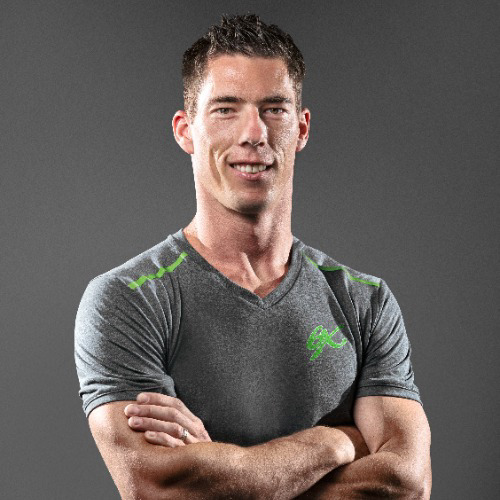
Brad Ellison
Brad Ellison is a personal trainer, weight loss coach and founder of 6X Training in Maroubra, Sydney. Since 2006, he has helped clients across the Eastern Suburbs lose weight, build strength and improve their health through personalised fitness coaching, nutrition support and accountability. His expertise includes fat loss, body composition improvement, strength training and sustainable lifestyle change.


