
Did you know that a 2026 analysis from the British Heart Foundation found that combining resistance training with aerobic exercise is 2.3 times faster for reducing visceral fat than dieting alone? If you've spent months grinding on a treadmill only to still feel self-conscious at Coogee beach, you aren't failing; your strategy simply lacks the data it needs. Many Sydney locals struggle with clothes that don't fit quite right or nagging lower back pain from core weakness, even when the scale stays still. It's incredibly frustrating to feel stuck in a cycle of yo-yo dieting while wondering how to lose stubborn belly fat that refuses to budge.
You deserve a strategy that works as hard as you do. We promise to show you the science-backed path to a firmer midsection through personalised training, nutrition, and smarter recovery. In this guide, we'll explore how tools like the InBody 570 Body Composition Scan reveal your unique physiology and why a data-driven approach beats generic cardio every time. From managing cortisol to optimising recovery in an infrared sauna, you will discover how to reclaim your energy and finally see the results you've earned.
Key Takeaways
- Understand the physiological difference between the fat you can pinch and the internal visceral fat that impacts your long-term health.
- Discover how to lose stubborn belly fat by prioritising protein and fibre to protect your muscle while managing hunger naturally.
- Swap ineffective cardio for structured resistance training to boost your resting metabolic rate and build a firmer, more stable core.
- Identify the invisible barriers to progress, such as high cortisol and poor sleep, which signal your body to store fat specifically in the abdomen.
- Use precision body composition data to track real fat loss and muscle gain instead of relying on a misleading bathroom scale.
Why Belly Fat Feels So Stubborn: The Science of Visceral vs Subcutaneous Fat
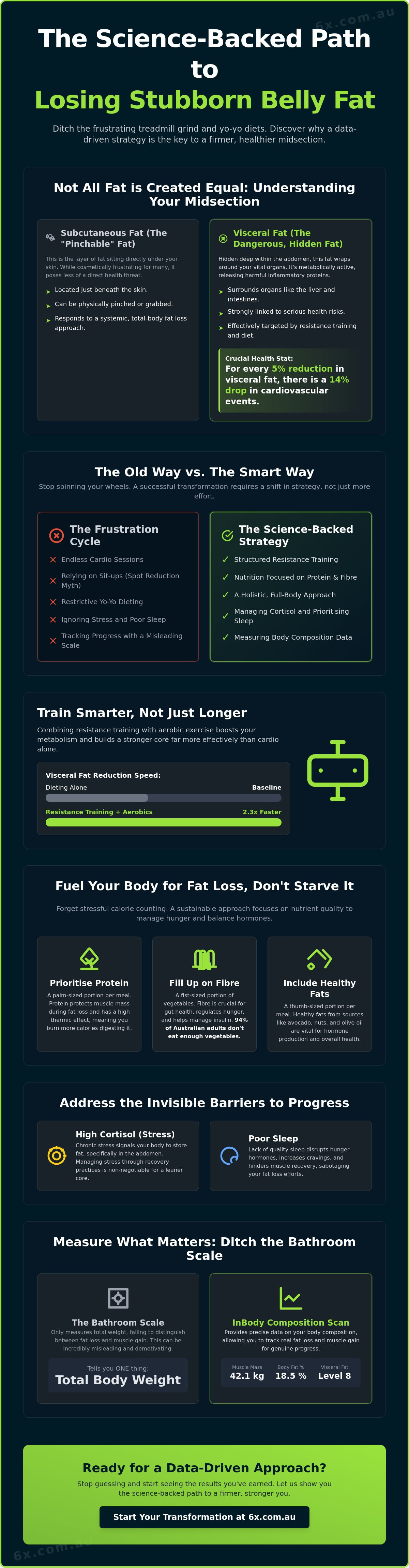
Many people assume all fat is created equal. However, if you're trying to understand how to lose stubborn belly fat, you need to recognise that your body stores energy in two very different ways. Subcutaneous fat is the layer sitting directly under your skin; it's the "pinchable" tissue that many find aesthetically frustrating. In contrast, visceral fat is hidden deep within your abdominal cavity, wrapping itself around your vital organs like the liver and intestines. Understanding the Science of Visceral vs Subcutaneous Fat is the first step toward a successful, long-term transformation.
As we age, particularly for those over 40, hormonal shifts make it easier for the body to prioritise abdominal storage. Oestrogen and testosterone levels fluctuate, often leading to a redistribution of weight toward the midsection. This process is frequently compounded by insulin resistance. When your cells stop responding effectively to insulin, your body pumps out more of the hormone. This signals your system to store fat specifically in the belly area rather than using it for energy. It's a physiological puzzle that requires more than just "eating less" to solve.
The Danger of Visceral Fat
Visceral fat is far more than a passive storage depot. Visceral fat functions as an active endocrine organ that secretes hormones and inflammatory proteins directly into your bloodstream. This constant state of low-grade inflammation is why abdominal obesity is so closely linked to heart disease and type 2 diabetes. A 2025 meta-analysis in The Lancet Diabetes & Endocrinology found that for every 5% reduction in visceral fat, there is a 14% drop in cardiovascular events. This highlights why a large waist circumference is often a more accurate predictor of health risks than the number on your bathroom scale. Using an InBody 570 Body Composition Scan can help you distinguish between these two types of fat so you can track real health improvements.
Why 'Spot Reduction' is a Myth
It's a common mistake to think that 1,000 sit-ups a day will melt away a spare tyre. Unfortunately, you can't choose where your body burns fat first. To see a flatter midsection, your body must undergo a process called lipolysis. This involves breaking down stored triglycerides into free fatty acids to be used as fuel. This process is systemic, meaning your body draws energy from fat stores across your entire frame. Learning how to lose stubborn belly fat requires focusing on total body composition and metabolic health.
- Focus on full-body movements to maximise energy expenditure.
- Prioritise metabolic health to improve how your body mobilises fat.
- Track internal changes rather than just external measurements.
The 6X Nutrition Strategy: Eating for Fat Loss Without Fad Diets
Most people try to starve themselves to shift weight, but this approach almost always backfires. Your body needs specific nutrients to signal that it's safe to release stored energy. If you want to understand how to lose stubborn belly fat, you must move away from restrictive "all or nothing" mentalities. Instead, focus on nutrient density and hormonal balance. This starts with reducing processed "white" foods like refined flour and sugar, which cause the insulin spikes we discussed in the previous section. When insulin is constantly high, your body stays in storage mode; when it's managed, your body can finally access its fat stores.
Practicality is essential for busy Sydney professionals. You don't need to weigh every gram of food to see results. The "hand portion" method is a simple, effective way to organise your plate without the stress of calorie counting. Aim for a palm-sized portion of protein, a fist-sized portion of vegetables, and a thumb-sized portion of healthy fats. Since 94% of Australian adults don't eat enough vegetables, increasing your fibre intake is a non-negotiable step for gut health and regulating hunger signals. High-fibre foods keep you fuller for longer, making it much easier to maintain the deficit required for fat loss.
Protein: Your Secret Weapon
Protein is the most critical macronutrient for body transformation. It has a high thermic effect, meaning your body burns significantly more calories just digesting protein than it does fats or carbs. More importantly, prioritising protein protects your lean muscle mass while you lose fat. This is a cornerstone for any sustainable weight loss coach looking to prevent the "skinny fat" look. Focus on high-quality, local sources like lean Aussie beef, kangaroo, and fresh seafood. These options provide the essential amino acids needed to repair tissue and keep your metabolism firing.
Smart Carb Cycling
You don't need to quit carbs to see a flatter midsection; you just need to time them better. Research shows that effective diet and exercise strategies often involve placing complex carbohydrates around your training window. This ensures the glucose is used for energy and recovery rather than being sent straight to fat storage. Be wary of "liquid calories" like commercial juices, sodas, and excessive wine. These are often loaded with hidden sugars that stall progress. If you're ready to stop guessing and start seeing results, you can kickstart your progress with our introductory program tailored to your unique goals.
Training Smarter: Why Resistance Training Beats Endless Cardio
Many people believe that the only path to a leaner midsection is through hours of gruelling cardio. While a jog along the coast is pleasant, it's rarely the most efficient way to shift weight. If you're wondering how to lose stubborn belly fat, the answer lies in resistance training. Lifting weights does more than just build strength; it creates a metabolic environment where your body becomes a fat-burning machine long after you leave the gym. This shift in focus from "burning" to "building" is what creates long-term success.
Compound movements like squats, deadlifts, and overhead presses are the gold standard for core engagement. These exercises require your entire midsection to stabilise under load, which builds functional strength far more effectively than isolated crunches ever could. High-Intensity Functional Training offers a time-efficient alternative to steady-state cardio, allowing busy professionals to achieve better results in half the time. However, the key is intensity. Working with a 1 on 1 personal trainer Sydney ensures you're lifting with the correct technique and enough stimulus to actually trigger physiological change. Without that specific intensity, your body has no reason to adapt.
Building the Metabolic Engine
The real magic of resistance training is the "Afterburn Effect," formally known as Excess Post-exercise Oxygen Consumption (EPOC). While cardio primarily burns calories during the session, heavy lifting keeps your metabolic rate elevated for up to 48 hours as your body repairs muscle tissue. Muscle is also much denser than fat. By increasing your muscle mass, you'll find that your clothes fit better and you look leaner, even if your weight stays the same. You are essentially transitioning from a mindset of "burning calories" to building a body that naturally burns fat as its primary fuel source.
The Role of NEAT
Training is only one part of the equation. Non-Exercise Activity Thermogenesis (NEAT) accounts for all the energy you burn during daily activities like walking, cleaning, or even fidgeting. This is where your daily step count becomes a powerful, low-stress tool. For Sydney locals, utilising the Maroubra to Coogee coastal walk is a fantastic way to increase your NEAT without adding significant cortisol stress to your system. Aiming for 7,000 or more steps per day, as recommended by the 2026 Australian Physical Activity Guidelines, provides a consistent baseline for fat loss. Small lifestyle tweaks add up to significant weekly calorie burns that make learning how to lose stubborn belly fat a much smoother process.
Managing Cortisol and Stress: The Invisible Barrier to a Leaner Core
You can have a perfect diet and a rigorous training schedule but still struggle with a soft midsection. This happens because stress is a physiological state, not just a feeling. When you're chronically stressed, your adrenal glands pump out cortisol. Research shows that visceral fat cells have more cortisol receptors than subcutaneous fat, meaning high stress literally signals your body to store energy in the abdominal area. Understanding this hormonal link is vital if you want to master how to lose stubborn belly fat once and for all.
Overtraining is a common trap for many high achievers in the Eastern Suburbs. If you're constantly pushing your body without adequate rest, your cortisol levels stay permanently elevated. This stalls your fat loss progress and can even lead to muscle breakdown. Your body needs to feel safe to release stored fat. If it perceives a constant state of "fight or flight" from too much exercise and too little recovery, it will hold onto its energy reserves for dear life. Balancing your output with dedicated downtime is a non-negotiable part of the process.
The Sleep-Fat Connection
A single night of poor sleep can increase insulin resistance the following day. This physiological shift disrupts your hunger hormones, causing ghrelin to spike and leptin to drop. You'll likely find yourself reaching for sugary snacks or extra caffeine to compensate for low energy levels. During a humid Sydney summer, small tweaks like using a dehumidifier or breathable cotton sheets can protect your rest. Quality sleep is the foundation that dictates your food choices and metabolic health every single morning.
Strategic Recovery
Strategic recovery is about down-regulating your nervous system to lower systemic stress. Utilising a sauna and ice bath session can help manage this internal environment effectively. Infrared saunas penetrate deep into the tissue to reduce inflammation, while cold immersion can trigger "brown fat" activation. Unlike white fat, brown fat actually burns energy to generate heat, which aids your natural thermogenesis. Learning how to lose stubborn belly fat requires this holistic view of health, where recovery is valued as much as the workout itself. If you're ready to build a body that looks and feels its best, apply for our results-driven introductory program today.
Measuring Real Progress: Why Data-Driven Transformation Wins
The bathroom scale is often the biggest obstacle to a successful body transformation. It provides a single, blunt number that fails to distinguish between muscle gain, water retention, and actual fat loss. If you're solely focused on how to lose stubborn belly fat, relying on the scale can lead to unnecessary frustration when your weight plateaus despite your hard work. Real progress is found in the details of your body composition, not a generic weight measurement that ignores your hard-earned muscle.
At 6X, we use the InBody 570 Body Composition Scan to remove the guesswork from your journey. This medical-grade technology allows you to see exactly where you're losing fat and where you're building lean tissue. Crucially, it tracks your visceral fat levels over time. As we discussed in earlier sections, reducing this internal fat is the most important marker for your long-term health and cardiovascular safety. Having access to this data means we can stop guessing and start making precise adjustments to your plan.
Beyond the Scale
It's entirely possible to stay the same weight while dropping two dress or pant sizes. This phenomenon occurs because muscle is significantly denser and more compact than fat. Seeing this "internal" data provides a massive psychological boost; it proves that your efforts are working even when the scale appears stubborn. We use this specific InBody data to pivot your nutrition and training, ensuring your programme remains as efficient as possible for your unique physiology.
Your Next Steps in Maroubra
Long-term success requires more than just information; it requires a structured plan and a supportive community. Setting realistic milestones within an 8 week body transformation program provides the roadmap you need to stay on track. Professional accountability is the "X-factor" that helps Sydney locals integrate these habits into a demanding Eastern Suburbs lifestyle without feeling overwhelmed.
- Focus on body composition data rather than total weight.
- Set specific, time-bound goals to maintain momentum.
- Prioritise professional guidance to navigate physiological plateaus.
Take Control of Your Body Transformation Today
Shifting your midsection isn't about working harder; it's about working smarter with the right data. You now understand that reducing visceral fat requires a precise blend of resistance training, hormonal management, and high-protein nutrition. By moving away from the bathroom scale and focusing on actual body composition, you gain the clarity needed for sustainable results. Mastering how to lose stubborn belly fat is a biological puzzle, and you now have the professional roadmap required to solve it.
As Maroubra's premier studio since 2011, we've spent over a decade helping Eastern Suburbs locals reclaim their confidence and health. Our expert trainers specialise in fat loss and utilise advanced InBody 570 tracking technology to ensure every single session moves you closer to your goals. You don't have to guess your way through another year of frustration or yo-yo dieting. Start your transformation today with our 6X Intro Offer and experience a structured, supportive environment that values science over mere effort. Your journey to a flatter, firmer, and more energetic midsection begins with one small step.
Frequently Asked Questions
Can I lose belly fat without doing cardio?
Yes, you can absolutely shift weight without hours of steady-state cardio. Resistance training is actually more effective for long-term success because it builds lean muscle mass, which increases your resting metabolic rate. While cardio burns calories during the session, lifting weights creates an "afterburn" effect that keeps your metabolism elevated for up to 48 hours. This shift in body composition is a primary strategy for those learning how to lose stubborn belly fat efficiently.
Is it true that stress makes you gain weight around your middle?
Chronic stress is a significant driver of abdominal weight gain due to the hormone cortisol. When you're stressed, your body produces cortisol, which signals your system to store energy specifically as visceral fat. This type of fat, which surrounds your internal organs, has more cortisol receptors than the fat found elsewhere on your body. Managing your lifestyle through recovery tools like an infrared sauna or ice bath can help lower these hormonal signals and support a leaner core.
How long does it take to see results in stubborn belly fat?
Most people start noticing visible changes in their midsection within 4 to 8 weeks of consistent, structured training and nutrition. However, internal changes often happen much faster. Using data-driven tools like an InBody 570 Body Composition Scan can reveal a reduction in visceral fat levels even before the mirror shows a dramatic difference. Stay committed to the process, as the most stubborn areas are often the last to lean out completely during a transformation.
What is the best time of day to exercise for fat loss?
The best time to exercise is the time of day that allows you to be most consistent with your routine. While some research suggests that morning workouts might slightly increase fat oxidation, these benefits are negligible compared to your total daily energy expenditure. Whether you prefer a sunrise session before work or a late afternoon workout, the priority is maintaining high intensity and sticking to your scheduled Personal Training sessions. Consistency always beats perfect timing.
Do fat-burning supplements actually work for abdominal fat?
Supplements are never a replacement for a solid training and nutrition foundation. While some ingredients like caffeine or green tea extract may slightly boost metabolism, they won't specifically target fat in the abdominal area. There is no pill or powder that can spot-reduce fat. Focus your resources on high-quality protein, fibre-rich vegetables, and professional guidance rather than searching for a "magic bullet" in a supplement bottle. Results come from effort, not pills.
How many times a week should I train to see a transformation?
Aiming for 3 to 4 sessions per week is the "sweet spot" for most people seeking a significant body transformation. This frequency provides enough stimulus to build muscle and burn fat while allowing your body adequate time to recover. Training every single day can often backfire by driving up cortisol levels and causing burnout or injury. Consistency over several months is far more valuable than a short burst of daily exercise that you cannot sustain.
Does drinking lemon water in the morning help burn belly fat?
Drinking lemon water won't directly burn fat, though it is an excellent way to stay hydrated. Proper hydration is essential for metabolic function and can help you distinguish between actual hunger and thirst signals. While starting your day with a glass of water is a healthy habit, it won't override the physiological requirements of a calorie deficit and resistance training. Don't rely on "detox" drinks to do the heavy lifting of fat loss; focus on your total nutritional intake.
Why is belly fat harder to lose after 40?
Losing weight after 40 is often more challenging due to natural hormonal shifts and a gradual loss of muscle mass. As muscle mass decreases, your resting metabolic rate drops, meaning you burn fewer calories throughout the day. This is often the stage of life where people first struggle with how to lose stubborn belly fat. Prioritising resistance training and adequate protein intake is crucial during this time to maintain your metabolic engine and offset these natural age-related changes.
Article by
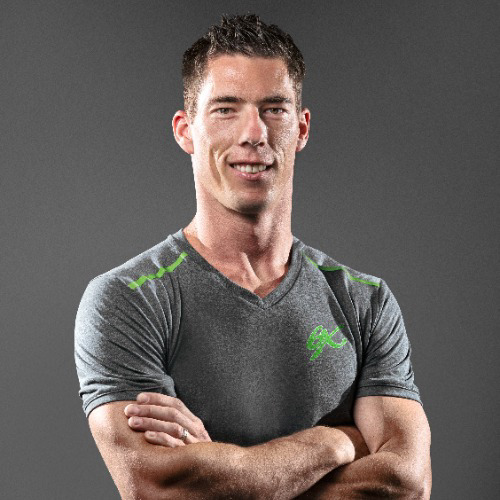
Brad Ellison
Brad Ellison is a personal trainer, weight loss coach and founder of 6X Training in Maroubra, Sydney. Since 2006, he has helped clients across the Eastern Suburbs lose weight, build strength and improve their health through personalised fitness coaching, nutrition support and accountability. His expertise includes fat loss, body composition improvement, strength training and sustainable lifestyle change.


