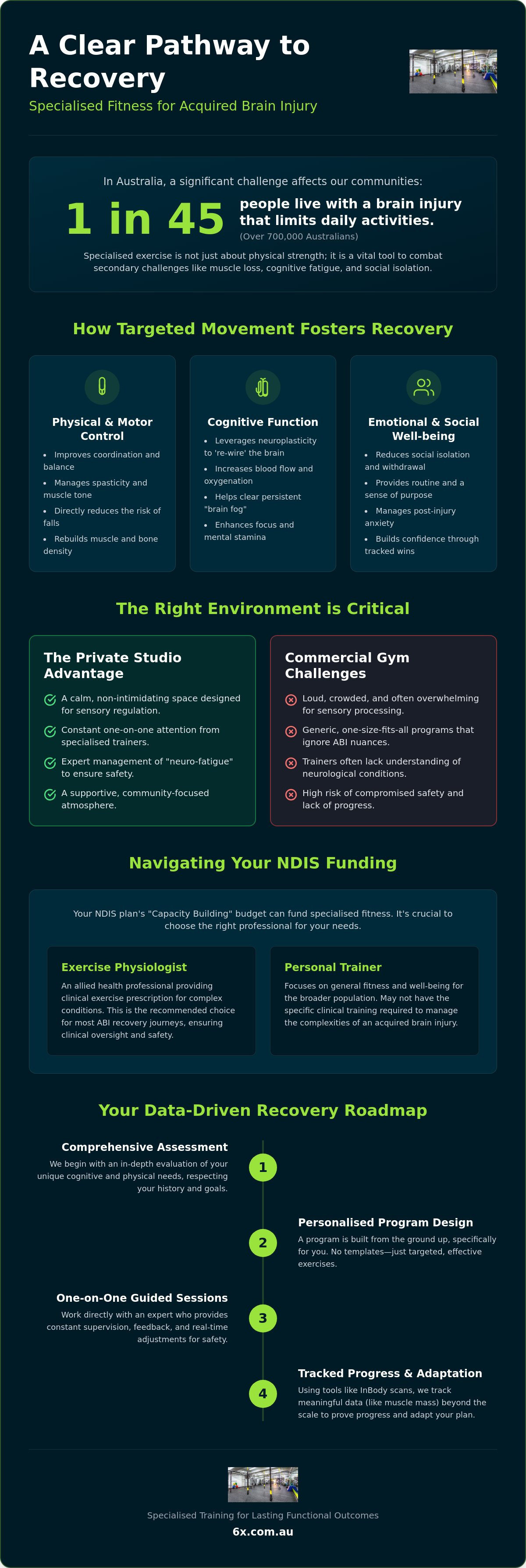
Did you know that over 700,000 Australians currently live with a brain injury that limits their daily activities? That is one in every 45 people in our community. When you are looking for fitness programs for acquired brain injury Mascot, the challenge is rarely about finding a place to sweat. It is about finding a team that truly understands cognitive fatigue, spasticity, and the unique hurdles of neurological recovery. You might feel intimidated by the loud, crowded atmosphere of a commercial gym, or perhaps you're tired of trainers who don't grasp the nuances of your condition.
We understand that navigating NDIS categories like Capacity Building can feel like a full-time job. You deserve a clear pathway to better health without the stress of going it alone. This article explains how specialised exercise physiology and NDIS-funded fitness programs near Mascot can help you regain your independence and physical strength. We will explore the benefits of a private, non-intimidating studio environment and show you exactly how to use your funding to achieve lasting functional outcomes and reduce social isolation.
Key Takeaways
- Understand how targeted movement combats secondary ABI challenges like muscle loss and social isolation to improve your daily function.
- Learn why a private studio environment is essential for sensory regulation and avoiding the overwhelming noise of standard commercial gyms.
- Discover how to effectively navigate NDIS "Capacity Building" funding to access specialised fitness programs for acquired brain injury Mascot.
- Identify the critical differences between Personal Training and Exercise Physiology to ensure your NDIS plan supports the right level of clinical care.
- Gain a clear roadmap for your recovery journey, starting with a comprehensive assessment that respects your unique cognitive and physical needs.
What is an Acquired Brain Injury (ABI) and How Does Exercise Help?
To begin, we must clarify what we are working with. What is an Acquired Brain Injury (ABI) exactly? It refers to any damage to the brain that occurs after birth. This is not a condition you are born with; it is a life change caused by external factors such as a motor vehicle accident, a stroke, or hypoxia. These events disrupt the brain's normal function, often leading to a long and complex road of rehabilitation.
The initial injury is only part of the story. Many people face "secondary impairments" that can be just as debilitating as the primary trauma. Physical inactivity often sets in, leading to rapid muscle loss, reduced bone density, and a sense of social withdrawal. This is where specialised fitness programs for acquired brain injury Mascot become vital. They are not just about lifting weights. They are about breaking the cycle of decline and reclaiming your physical autonomy through a structured, results-oriented framework.
To better understand how exercise impacts the brain during recovery, watch this helpful video:
One of the most exciting aspects of modern recovery is neuroplasticity. This is your brain's remarkable ability to reorganise itself by forming new neural connections. When you engage in structured, repetitive movement, you are essentially teaching your brain how to "bypass" damaged areas. It is a disciplined, scientific approach to recovery that turns effort into tangible progress. By focusing on specific tasks, we help the nervous system adapt, turning complex movements into subconscious habits over time.
The Physical and Cognitive Benefits of Movement
Motor control is not just about strength. It is about coordination and the brain's ability to signal muscles effectively. We use structured resistance training to manage spasticity and high muscle tone, which are common after a stroke or traumatic injury. This directly reduces the risk of falls in the home, giving you more confidence in your daily life. Regular physical activity also helps clear the "brain fog" that often lingers after an injury by increasing blood flow and oxygenation to the brain tissue.
Addressing the Emotional and Social Impact
Social isolation is a quiet but heavy burden for many in the ABI community. Transitioning from a clinical setting to a community-focused studio provides a sense of belonging and accountability. You move from a place of "I can't" to "I can" through small, tracked wins that prove your progress. Maintaining a consistent routine also acts as a stabilising force, helping you manage post-injury anxiety and depression by providing a predictable, supportive environment.
Key Components of a Successful ABI Fitness Program
A successful recovery journey requires more than just showing up at a gym. Generic, one-size-fits-all routines often fail those with unique neurological profiles because they don't account for the specific ways a brain injury affects movement and energy. Effective fitness programs for acquired brain injury Mascot must be built on a foundation of precision and personalisation. We start by acknowledging that every brain injury is different. Your program should be as unique as your fingerprint, designed to address your specific challenges while leveraging your existing strengths.
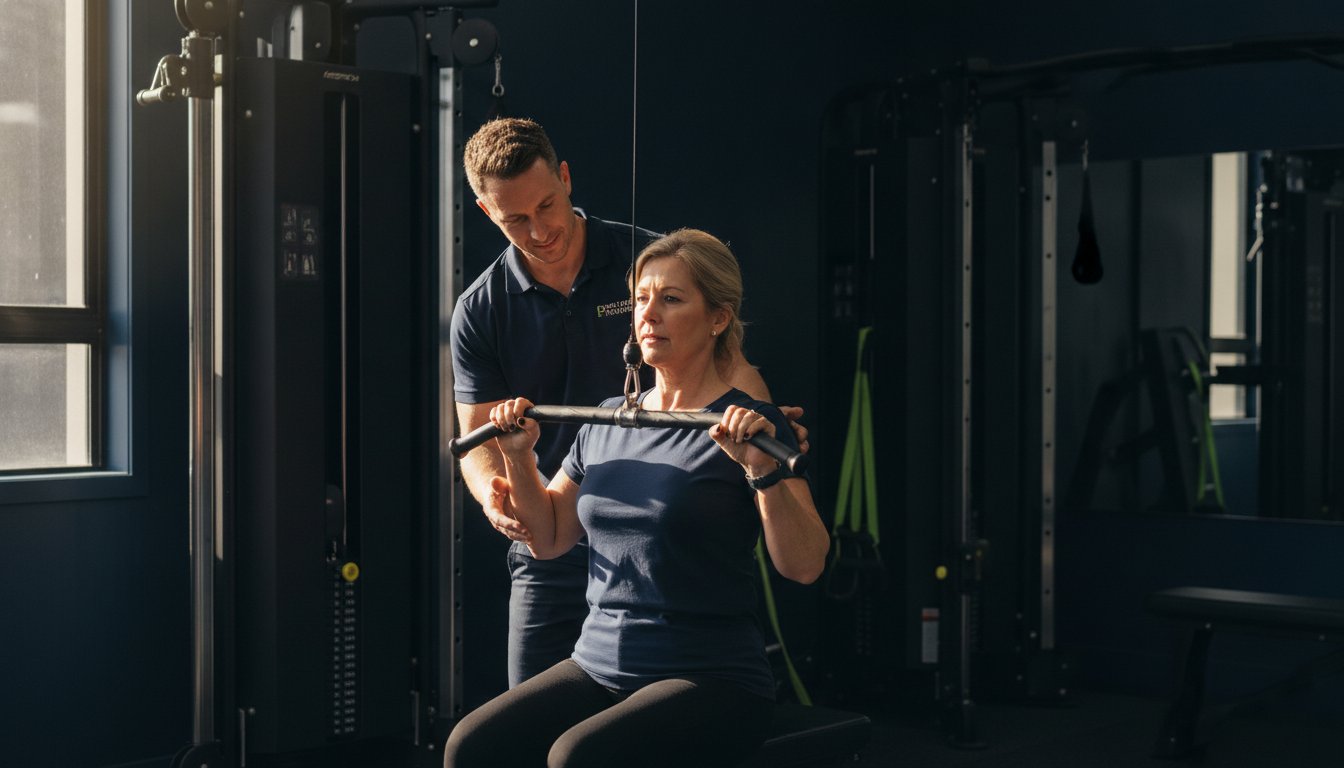
Safety and supervision are non-negotiable pillars of this process. Unlike standard commercial environments, a specialised program relies on constant one-on-one attention to monitor both physical form and cognitive fatigue. After an injury, the brain works significantly harder to coordinate basic movements. This leads to a unique type of exhaustion that can compromise safety if not managed correctly. Expert trainers recognise the subtle signs of "neuro-fatigue" before they lead to injury, adjusting the intensity of the session in real-time to ensure you remain in the optimal zone for progress.
We believe in data-driven progress rather than guesswork. When the bathroom scale doesn't move, it can be easy to feel discouraged. However, we use the InBody Body Composition Scan to track skeletal muscle mass and fat distribution with clinical accuracy. This allows us to see exactly how your body is changing. Seeing objective proof of muscle gain and metabolic improvement provides a massive boost to your motivation and proves that your hard work is paying off.
Aerobic vs. Resistance Training for Brain Health
Both styles of training play a vital role in your recovery. Aerobic exercise is essential for improving heart health and increasing the oxygenation of brain tissue, which supports overall healing. Resistance training, on the other hand, builds the functional strength required for everyday tasks. Functional Training is exercise that mimics daily life movements. By focusing on these patterns, we help you master the "sit-to-stand" motion and navigate stairs with greater ease. Science-backed resources often highlight how exercise helps with brain injury by improving both cardiorespiratory fitness and muscular power simultaneously.
The Role of Recovery and Wellness
Recovery is often the missing link in ABI rehabilitation. We integrate tools like Infrared Saunas to assist with muscle soreness and, more importantly, to help regulate the nervous system. The gentle heat promotes deep relaxation and detoxification, which can be particularly beneficial for those dealing with post-injury anxiety. For managing systemic inflammation and boosting mood, ice baths and cold water immersion offer a powerful physiological reset. Learn more about our recovery facilities to see how these tools fit into a holistic health plan. If you are ready to see how a structured approach can change your life, consider starting with our Intro Offer to experience the difference firsthand.
Why Mascot Residents Choose Private Studios over Commercial Gyms
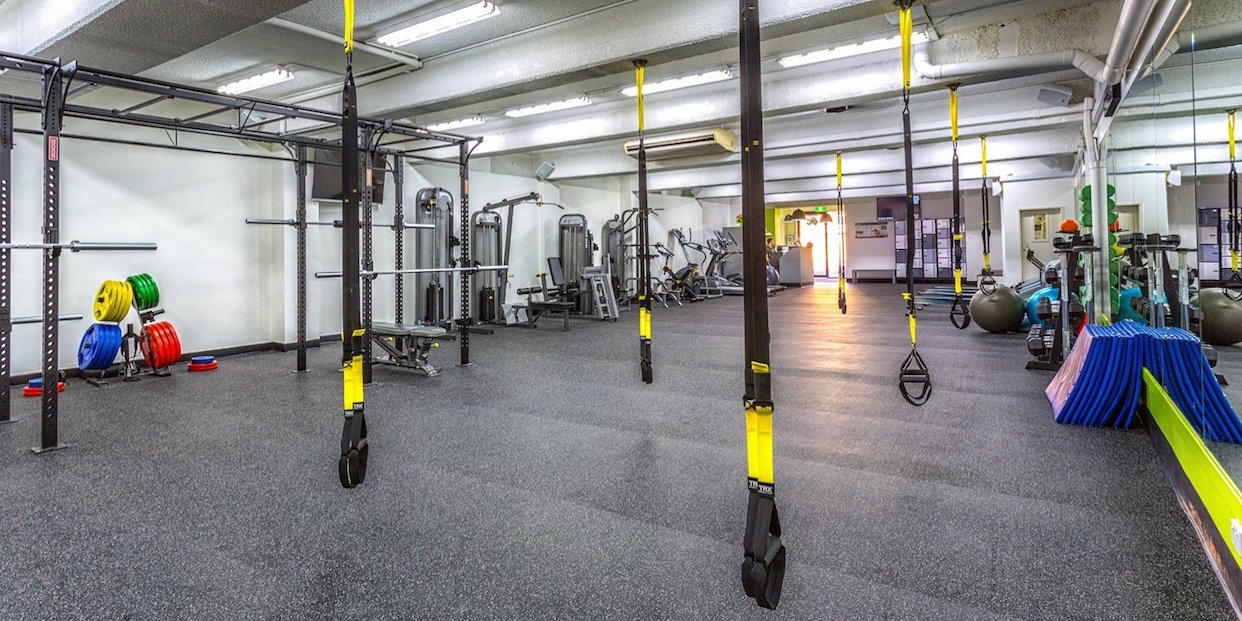
Commercial gyms are built for high-volume foot traffic. They are often filled with blaring music, clanging weights, and bright, overhead lighting. For someone managing the effects of an ABI, these are not merely distractions; they are significant physical barriers. Sensory overload can trigger intense cognitive fatigue, making it nearly impossible to focus on complex tasks like motor control or balance. This is exactly why specialised fitness programs for acquired brain injury Mascot are best delivered in a controlled, private setting. A private studio provides the quiet, structured space necessary for the brain to focus entirely on movement and recovery.
There is also a distinct "Privacy Advantage" to training in a boutique environment. Recovery is a deeply personal and sometimes vulnerable process. You should not have to worry about being watched or judged by others while you work on your mobility or functional strength. In our studio, the focus remains entirely on your performance and safety. This creates a welcoming community atmosphere where trainers actually know your name and your specific medical history. This level of personal connection fosters a sense of security that is rarely found in large corporate facilities.
Local accessibility is another crucial factor for Mascot residents. Our studio is situated just a short drive from Mascot, Botany, and the surrounding Eastern Suburbs. This proximity is vital because it reduces travel-related exhaustion. When you are managing cognitive fatigue, a long commute can drain your energy before your session even begins. By choosing a local, specialised provider, you ensure your energy is preserved for the work that actually matters.
Overcoming the Sensory Barriers of Modern Gyms
We specifically organise our sessions to maintain a calm and focused atmosphere. By managing the number of people in the studio at any given time, we ensure the environment remains predictable and quiet. This consistency helps you feel secure in your surroundings. We can easily adjust lighting or sound levels to suit your specific sensitivities, ensuring that your brain energy is spent on physical progress rather than processing external noise. It is a disciplined approach that respects your neurological needs while still pushing for results.
The Importance of Expert Accountability
Consistency is often the most difficult part of a long-term recovery journey. A dedicated coach provides the emotional and technical support needed to navigate the inevitable plateaus of rehabilitation. At 6X Training, we set clear 8-week milestones for all our ABI participants. These short-term goals provide a structured roadmap, turning the broad vision of "independence" into small, achievable victories. Seeing your progress documented through data and functional wins builds a level of self-efficacy that is hard to reach on your own. Read our client success stories to see how this structured approach has helped others in the community reclaim their strength.
Navigating NDIS Funding for Fitness and Exercise Physiology
Securing funding for fitness programs for acquired brain injury Mascot often starts with your NDIS planning meeting. You need to show that exercise is reasonable and necessary for your independence. This usually falls under the Capacity Building portion of your plan. This budget is designed to help you learn new skills and improve your functional capacity, which is exactly what a structured exercise program achieves. By focusing on your ability to perform daily tasks, we turn your NDIS goals into tangible physical outcomes.
It is vital to understand the difference between Personal Training and Exercise Physiology. Your NDIS plan might cover one or both, depending on your specific goals. Exercise Physiology is an Allied Health service. It focuses on clinical rehabilitation and managing complex neurological conditions through scientific movement. Personal Training is often funded for general health, wellbeing, and social participation. We are an NDIS Registered Provider, which means we meet strict quality and safety standards. It also makes the billing process seamless, whether you are self-managed, plan-managed, or NDIA-managed.
Funded Categories for ABI Fitness
There are two primary categories where your fitness funding will likely sit. "Improved Health and Wellbeing" is the standard category for personal training sessions. This helps you manage your weight and general physical health. "Improved Daily Living" is where you access Exercise Physiology. This is for more clinical rehabilitation focused on reclaiming the skills you need for life at home. For a deeper look at how this works, check out our Detailed NDIS Exercise Physiology Guide.
The Referral Process for Mascot Locals
To get these services into your plan, you generally need a GP referral or a recommendation from an Allied Health professional like an Occupational Therapist. They can provide the evidence needed to prove that specialised exercise will help you reach your independence goals. Your Support Coordinator plays a massive role here too. They can help connect you to our studio and ensure your budget is allocated correctly. Learn about our NDIS programs to see how we coordinate with your support team to get you started. If you are ready to take the first step, our Intro Offer is the best way to discuss your NDIS requirements in person and create a roadmap for your recovery.
Get Started: Your ABI Fitness Journey at 6X Training Mascot
Taking the first step toward a new routine after a brain injury is a significant milestone. It requires a structured environment and a team that genuinely understands your specific needs. When you explore fitness programs for acquired brain injury Mascot, your journey begins with a comprehensive initial consultation. This is where we sit down to assess your goals, medical history, and specific NDIS requirements. We don't just look at your limitations; we focus on your potential. Whether you want to walk to the local shops independently or regain the strength to play with your children, your roadmap starts with this conversation.
During this phase, we use the InBody 570 scan to establish a clinical baseline for your transformation. This technology provides an objective snapshot of your muscle mass and balance, ensuring we aren't just guessing about your progress. The 6X Guarantee is our commitment to you. We provide a supportive, results-driven environment where your success is our primary metric. We have been helping locals since 2011, and we know exactly what it takes to bridge the gap between clinical rehabilitation and community-based fitness.
What to Expect in Your First Week
Your first week is designed to be a gentle introduction to our studio and equipment. We carefully select tools that suit your current mobility levels to ensure you feel safe and capable from day one. You'll spend time with your coach discussing any cognitive or physical triggers, such as light sensitivity or specific types of neuro-fatigue. This dialogue is essential for building trust and ensuring every session is productive. Together, we will set realistic, empowering goals for your first 8 weeks, giving you a clear target to aim for as you build momentum.
Join the Mascot and Maroubra ABI Fitness Community
We invite you to visit our studio and meet our inclusive team. We are more than just a facility; we are a partner in your long-term health journey. It's important to remember that your injury doesn't define your future fitness or your potential for strength. Our community is built on accountability, transparency, and a shared commitment to better health outcomes for everyone in the Mascot and Maroubra area. We provide the structure, and you provide the intent.
Claim our Intro Offer and start your journey today. This is the most effective way to experience our personalised approach and begin the process of reclaiming your independence in a safe, professional, and welcoming environment.
Reclaiming Your Independence Through Movement
Recovery after an acquired brain injury is a marathon; it requires a disciplined, structured approach that respects your cognitive limits while pushing your physical boundaries. By choosing specialised fitness programs for acquired brain injury Mascot, you are not just joining a gym. You are partnering with a results-driven team that understands the science of neuroplasticity and the complex nuances of NDIS Capacity Building. We focus on turning your specific health goals into tangible functional outcomes that improve your daily life and your confidence.
Our private, sensory-friendly studio eliminates the noise and intimidation found in commercial facilities, allowing you to focus entirely on your mobility and strength. With over 15 years of experience serving Sydney's Eastern Suburbs, we are a proud NDIS Registered Provider committed to transparency and individual success. We provide the expertise and the specialised recovery tools needed to bridge the gap between clinical care and community independence. You don't have to navigate this complex path alone.
Ready to take control of your transformation? Start your recovery journey with our 6X Intro Offer and let us build your personalised roadmap together. Your injury is part of your story, but it doesn't define your future strength.
Frequently Asked Questions
Can I use NDIS funding for a gym membership near Mascot?
NDIS funding typically covers the professional support provided during your sessions rather than a standard gym membership fee. If your goals include improving independence or functional capacity, you can access our specialised fitness programs for acquired brain injury Mascot through the Capacity Building budget. This ensures you receive expert guidance tailored to your neurological needs while the NDIS manages the cost of the professional service delivered by our qualified team.
What is the difference between an Exercise Physiologist and a Personal Trainer for ABI?
An Exercise Physiologist is a university-qualified allied health professional who provides clinical interventions for complex neurological conditions. They focus on clinical rehabilitation under the Improved Daily Living category of your NDIS plan. A Personal Trainer provides high-level support for general strength and wellbeing, typically funded under the Improved Health and Wellbeing category. Both roles are essential, but the Exercise Physiologist manages the clinical aspects of your recovery roadmap.
Is exercise safe if I have high muscle tone or spasticity?
Exercise is safe and highly beneficial for managing high muscle tone or spasticity when supervised by a professional. Structured resistance training and targeted stretching help regulate muscle activation and improve your range of motion over time. We monitor your form and fatigue levels constantly to ensure every movement is controlled. This prevents overexertion and helps your body adapt to new physical demands without causing an increase in spasticity.
How often should I attend fitness sessions for the best ABI recovery results?
Most participants find that two to three sessions per week provide the best balance between making progress and managing cognitive fatigue. Consistency is the primary driver of neuroplasticity; therefore, regular attendance is more important than high-intensity bursts. We adjust the frequency based on your energy levels and specific recovery goals. This ensures you stay on track with your physical development without feeling overwhelmed by the demands of the programme.
Do I need a doctor's referral to start training at 6X Training?
You don't strictly need a referral to begin private training, but a GP referral or Allied Health recommendation is necessary to access NDIS funding for Exercise Physiology. This documentation provides the evidence required by the NDIA to show that the service is reasonable and necessary for your recovery. We can work directly with your Support Coordinator to ensure all the correct paperwork is in place before you begin your first session.
What should I wear or bring to my first ABI fitness session?
You should wear comfortable, breathable clothing and supportive, closed-in shoes that allow for a full range of movement. It is also a good idea to bring a water bottle, a small towel, and any relevant medical documents or NDIS plan details you wish to discuss. We provide a private, climate-controlled environment, so you don't need to worry about external weather conditions. Your comfort and safety are our priorities during every visit.
Can my support worker attend the sessions with me?
We absolutely welcome support workers to attend sessions with you. Having your support person present can help with the transition into the studio and ensure that functional exercises are reinforced in your daily life outside the gym. It creates a collaborative environment where everyone is aligned with your recovery goals. This partnership often leads to better long-term outcomes and a much more confident approach to your entire fitness journey.
How do you track progress for someone with a brain injury?
We use a combination of clinical technology and functional milestones to track your progress accurately. The InBody 570 scan provides objective data on your muscle mass and balance, while we also monitor improvements in daily tasks like walking speed or sit-to-stand transitions. These 8-week milestones ensure that your fitness programs for acquired brain injury Mascot are delivering the specific results you need to reclaim your independence and move with confidence.
Article by
Brad Ellison
Brad Ellison is a personal trainer, weight loss coach and founder of 6X Training in Maroubra, Sydney. Since 2006, he has helped clients across the Eastern Suburbs lose weight, build strength and improve their health through personalised fitness coaching, nutrition support and accountability. His expertise includes fat loss, body composition improvement, strength training and sustainable lifestyle change.


