What if the most effective tool for managing your mental health wasn't found in a pharmacy, but through a structured program involving exercise for mental health NDIS? With over 751,000 Australians now participating in the scheme, many are discovering that movement is a clinical tool for neurological regulation rather than just a way to get fit. It's completely natural to feel intimidated by the high-energy environment of a commercial gym, especially when mental health symptoms make even the smallest tasks feel like a mountain.
You deserve a clear path to better health that doesn't feel like an uphill battle. In this article, you'll discover how to leverage your funding to access professional support that prioritises your mental wellbeing and builds lasting independence. We'll explore the specific ways exercise physiology and personal training can be funded under your plan. We'll also look at how consistent movement improves your sleep and mood, providing a structured way to increase your social participation and take back control of your life.
Key Takeaways
- Learn why movement is classified as a clinical therapeutic support rather than just a hobby, helping you meet your NDIS goals for social and community participation.
- Discover how to correctly identify and use your Capacity Building or Core Supports budget to fund professional exercise for mental health NDIS programs.
- Understand the biological impact of structured exercise on brain chemistry, including how it regulates serotonin and lowers cortisol to manage daily stress.
- Identify the benefits of training in a private, controlled studio environment to bypass the anxiety and sensory overload often found in large commercial gyms.
- Get a clear, actionable roadmap for discussing exercise goals with your Plan Manager and starting a results-driven program with an experienced local provider.
Understanding the Link Between Exercise and Mental Health under NDIS
Exercise isn't just about physical fitness or weight loss; it's a vital therapeutic support for managing psychosocial disabilities. Within the NDIS framework, movement is recognised as a powerful non-pharmacological intervention. It directly targets the neurobiological effects of exercise, which include regulating brain chemicals that dictate your mood and stress levels. By viewing physical activity through this clinical lens, we move beyond the concept of a simple "gym visit" and toward a structured method for building mental resilience. It's a systematic approach to health that yields measurable results.
The scheme prioritises Social and Community Participation, but these goals are often difficult to reach if your mental health feels like a barrier. Improved physical health serves as the foundation for these social outcomes. When you feel stronger and more capable in your body, your confidence to engage with the world grows. This isn't just a theory; it's a practical strategy to help you reclaim your independence. High-quality exercise for mental health NDIS programs provide the stability needed to participate in the activities you love without feeling overwhelmed by your symptoms.
The Role of Capacity Building - Improved Health and Wellbeing
The "Improved Health and Wellbeing" budget category is where most funding for these services sits. This category is specifically designed to help you develop the skills and physical capacity needed to manage your daily life more effectively. Regular sessions with a professional create a consistent routine. This structure is often the first step in stabilising mental health symptoms and reducing cortisol levels. Having an expert guide your movement ensures every session is safe and tailored to your specific functional needs. It's about building a sustainable habit that supports your broader life goals.
Why NDIS Participants in Sydney are Turning to Movement
Living in the fast-paced environment of Sydney's Eastern Suburbs brings unique stressors that can impact your mental wellbeing. Many local participants are moving away from traditional clinical settings in favour of holistic plans that include structured movement. This shift reflects a growing understanding that mental and physical health are inseparable. To understand how to structure your plan correctly, you can read our detailed guide on Using NDIS for Personal Training. It provides the specific funding details you need to get started in the Maroubra area with confidence.
The Science of Movement: How Exercise Changes Your Brain
Movement does more than just strengthen your muscles; it fundamentally alters your brain chemistry. When you engage in structured physical activity, your body releases a cocktail of "happy chemicals" that serve as natural mood lifters. Endorphins act as your body's built-in painkiller and stress buster, while serotonin helps stabilise your mood and sleep patterns. Dopamine provides that vital sense of reward and motivation, which can be particularly helpful when mental health symptoms make it hard to get started. These biological shifts are why professional benefits of exercise for mental health are so widely recognised by clinical experts across Australia.
High levels of cortisol, often called the stress hormone, can leave you feeling constantly "on edge" or exhausted. Structured exercise for mental health NDIS programs help flush this excess cortisol from your system, allowing your body to return to a state of balance. Beyond just chemical changes, exercise encourages neuroplasticity. This is your brain's remarkable ability to rewire itself and create new neural pathways. By consistently moving, you're essentially training your brain to regulate emotions more effectively. This biological transformation directly supports NDIS goals like "increased independence," as a regulated mind makes it much easier to manage daily tasks and social interactions without feeling overwhelmed.
Regulating the Nervous System
For many living with psychosocial disabilities, the nervous system can get stuck in a "fight or flight" response. Exercise helps shift your body into a "rest and digest" state, promoting a sense of internal calm. This process relies heavily on proprioception, which is your brain's awareness of where your body is in space. Developing this body awareness through specialised movement helps ground you in the present moment. While personal trainers are excellent for motivation, NDIS Exercise Physiology is often the preferred clinical route for those with complex needs, as it provides a higher level of medical oversight for nervous system regulation.
Improving Sleep and Cognitive Function
Restorative sleep is the cornerstone of mental wellbeing. Physical exertion during the day helps regulate your circadian rhythm, leading to deeper, more consistent sleep cycles. When you're well-rested, your cognitive function improves, allowing for better decision-making and a significant reduction in daytime anxiety. To see how these internal changes are progressing, an InBody Scan Sydney can track health markers like visceral fat and cellular hydration, proving that your hard work is paying off beneath the surface. If you're ready to see how these scientific principles can work for you, consider starting with a structured introductory program to build your confidence safely.
Overcoming Gym Anxiety: The Private Studio Advantage
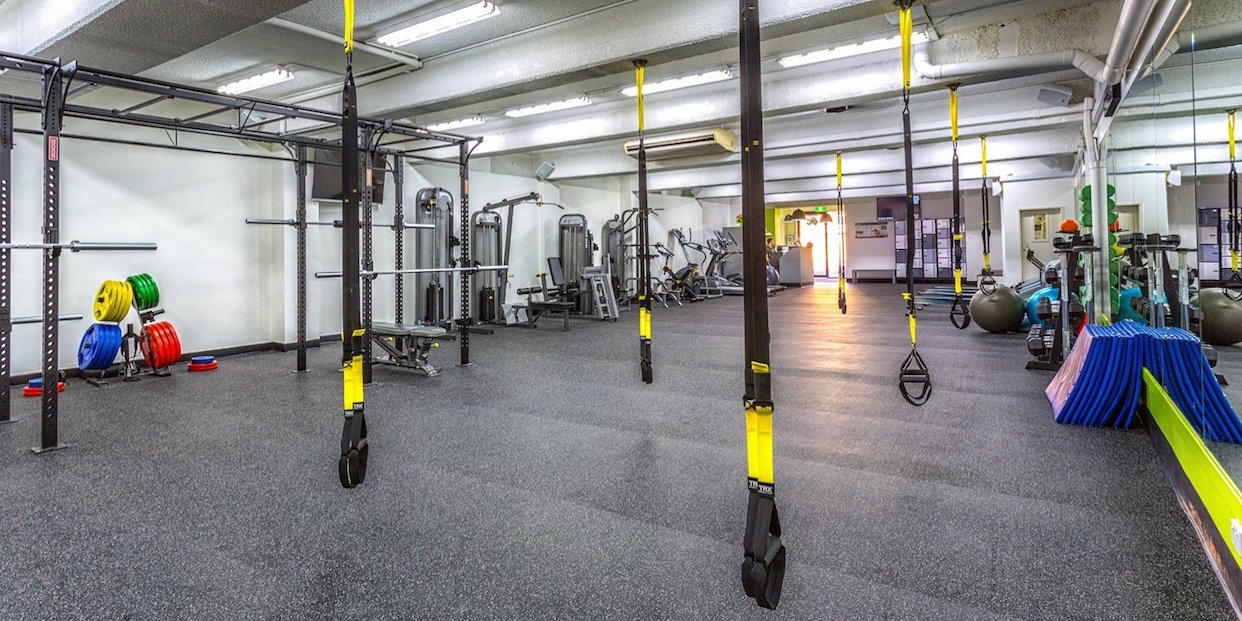
For many Australians living with psychosocial disabilities, the front door of a "big box" commercial gym represents a significant barrier. These facilities are often overstimulating, filled with clanging weights, loud music, and bright fluorescent lights that can trigger sensory overload. When you're trying to focus on exercise for mental health NDIS goals, an environment that increases your anxiety is counterproductive. It's difficult to achieve a calm, regulated state when you feel like you're being watched or judged by a crowd of strangers. This is why a private studio isn't just a luxury; it's a strategic choice for your wellbeing.
A private, controlled environment allows you to bypass the "social anxiety" barrier entirely. In a 1-on-1 setting, the focus remains solely on your progress and your comfort level. For many NDIS participants, this level of privacy is considered a "reasonable and necessary" requirement to ensure they can actually engage with their supports. Research into how exercise boosts the brain shows that the benefits are most effective when the participant feels safe and supported. By removing the stressors of a traditional gym, you create the mental space needed to build new, healthy habits without the fear of a panic attack or sensory meltdown.
Sensory-Friendly Fitness Environments
A private studio in Maroubra acts as a safe haven for focused training. By reducing noise and controlling the lighting, we create an atmosphere that supports neurodivergent participants and those with high anxiety. You won't have to navigate crowds or wait for equipment, which reduces the decision fatigue that often comes with public spaces. Having a dedicated, familiar coach every single week provides a sense of predictability and security. This consistency is vital for building the routine necessary to manage mental health symptoms effectively over the long term.
The Power of One-on-One Professional Support
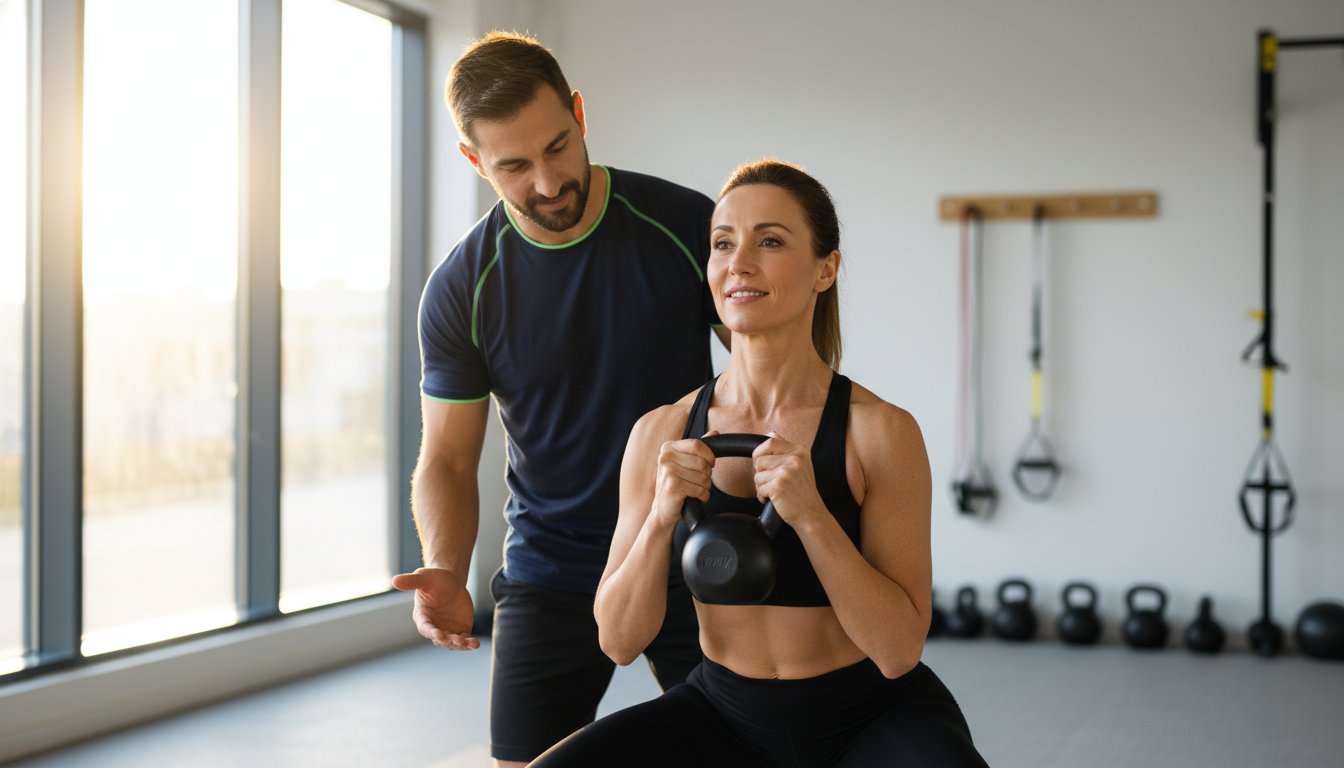
A general gym instructor often lacks the specific training required to support someone with complex mental health needs. NDIS participants require a coaching style that is trauma-informed and disability-aware. It’s about more than just counting reps; it’s about understanding how your symptoms might affect your motivation or physical capacity on any given day. Your coach becomes a partner in your journey, adjusting the intensity of the session to match your mental state. If you're ready to take the next step, our guide on Finding an NDIS Personal Trainer Near Me offers practical advice for residents in the Eastern Suburbs looking for this specialised level of care.
Steps to Start Your NDIS Exercise Journey for Mental Health
Beginning your journey toward better wellbeing starts with a simple audit of your current plan. You'll need to look for funding under the "Capacity Building" or "Core Supports" categories. Specifically, the "Improved Health and Wellbeing" line item is designed for these types of clinical and developmental services. Once you've identified your budget, the next step is to speak with your Support Coordinator or Plan Manager. They can help you allocate funds specifically for exercise for mental health NDIS programs that align with your broader life goals. It's about ensuring the support is deemed "reasonable and necessary" for your specific situation.
After your initial assessment with a registered professional, you'll develop a Service Agreement. This document is vital; it outlines exactly how your sessions will help you meet your objectives. This might include building the stamina to attend community events or reducing the frequency of anxiety-related episodes. Establishing a consistent weekly routine is the final piece of the puzzle. This consistency builds the momentum needed to achieve the neurological benefits we discussed earlier, turning movement into a reliable pillar of your recovery. Under the NDIS Pricing Arrangements and Price Limits (PAPL) 2025-26, the maximum price for exercise physiology is set at A$193.99 per hour, ensuring a standardised level of professional care across Australia.
Consulting Your Support Network
When you're phrasing your request to the NDIA, focus on "functional impact." Explain how exercise helps you manage your psychosocial disability so you can participate more fully in the community. If you're seeking Exercise Physiology, your GP can provide a referral to support your case. While Personal Training focuses on capacity and maintenance, Exercise Physiology provides a clinical, allied health approach for more complex needs. Both play a role in your long-term success, but they serve different purposes within your plan.
Setting Realistic Wellbeing Goals
Shift your focus away from the scale. Instead, prioritise markers like mental clarity, improved sleep quality, or a reduction in daily anxiety levels. These are the wins that truly transform your quality of life. You can still track your internal progress using an InBody Scan in Maroubra. This technology monitors muscle mass and hydration levels without the obsession over body weight. Small, consistent victories are the engine of long-term mental health recovery. If you're ready to take that first step, enquire about our introductory program to see how a structured approach can support your goals.
Why 6X Training is the Choice for NDIS Participants in Maroubra
Choosing the right provider is the most critical decision in your wellness journey. With a 15-year history of delivering results-driven coaching in the Eastern Suburbs, 6X Training understands the unique needs of the local community. We've built our reputation on a foundation of professional expertise and a welcoming, inclusive atmosphere. Unlike large corporate gyms that can feel cold and anonymous, our studio is designed as a private sanctuary. Here, you aren't just another member; you're a partner in a structured process designed to transform your quality of life through exercise for mental health NDIS programs.
Our approach is fundamentally integrated, combining the technical accuracy of NDIS Exercise Physiology with the motivational support of Personal Training. We recognise that mental health recovery requires more than just physical effort. It requires a holistic strategy. That's why our facility includes specialized recovery tools like our Infrared Sauna and Ice Bath. These amenities aren't just extras; they're essential components of a science-backed routine that helps regulate the nervous system and manage stress. We provide a clear, disciplined path through the complexities of health, ensuring every session moves you closer to your NDIS goals.
Expertise in NDIS and Disability Support
Our team possesses deep experience in supporting participants with diverse needs, including autism and various psychosocial disabilities. We focus on building functional capacity and mental resilience through methods that are proven to work. For families seeking specialised care, our Exercise Physiologist for Autism NDIS expertise ensures that every program is tailored to the individual's sensory and physical requirements. We're committed to delivering guaranteed results, using data-driven programming to track your progress and keep you accountable. It's a systematic way to build the independence you deserve.
Your Local Maroubra Wellness Hub
Conveniently located for residents in Maroubra, Coogee, and Randwick, we serve as a localised leader in health and wellbeing. We've created a community-focused environment where you can feel secure and supported throughout your transformation. There's no pretension here, just a dedicated team of experts who are invested in your success. We value transparency and efficiency, making it easy for you to integrate professional exercise into your NDIS plan. Ready to reclaim your mental health and build a stronger future? Take the first step with our Intro Offer here and experience the 6X difference for yourself.
Take the Next Step Toward Lasting Mental Resilience
Reclaiming your health is a journey that requires the right environment and expert guidance. You now have a clear understanding of how to leverage your funding for exercise for mental health NDIS, moving from a state of "fight or flight" to one of calm and control. By choosing a private studio over a crowded commercial gym, you remove the sensory barriers that often hinder progress. Professional support isn't just about the physical workout; it's about building a sustainable routine that supports your independence and social participation goals.
At 6X Training, we bring over 15 years of Maroubra expertise to every session. Our private, non-intimidating studio environment is specifically designed to cater to NDIS participants, with a team of Exercise Physiology and PT specialists ready to support your unique needs. We're committed to helping you achieve specific, measurable outcomes that transform your daily life. You don't have to navigate this complex path alone. Claim your NDIS-friendly Intro Offer at 6X Training Maroubra and start your transformation in a space where you're truly valued. We're here to help you build the strength and clarity you've been searching for.
Frequently Asked Questions
Can I use NDIS funding for a personal trainer to help my depression?
Yes, you can use your funding for a personal trainer if it directly supports your mental health goals and improves your functional capacity. The NDIA typically approves these services when they help manage symptoms like lethargy or social withdrawal. It's essential that your plan mentions health and wellbeing or community participation to ensure the support is covered under your budget.
What is the difference between an Exercise Physiologist and a Personal Trainer under NDIS?
Exercise Physiologists are university qualified allied health professionals who provide clinical interventions for complex conditions. They focus on the neurobiological impacts of movement. Personal Trainers focus on general fitness and maintenance. Under the NDIS, Exercise Physiology falls under Capacity Building with a price limit of A$193.99 per hour as per the 2025-26 pricing arrangements.
Do I need a specific line item in my NDIS plan for exercise?
You generally need funding allocated within the Capacity Building category, specifically the Improved Health and Wellbeing line item. In some cases, you might use Core Supports if the exercise is directly related to increasing your community participation. It is best to check your plan or speak with your Plan Manager to confirm which budget category is most appropriate for your specific needs.
How does exercise help with psychosocial disability outcomes?
Structured exercise for mental health NDIS programs help regulate the nervous system and reduce the physiological symptoms of anxiety. By establishing a consistent routine, you build the mental resilience needed to manage daily stressors. These improvements often lead to better sleep and increased confidence, which are vital for achieving long-term independence and active participation in your local community.
Is 6X Training a registered NDIS provider for mental health support?
Yes, 6X Training is a registered NDIS provider offering both Personal Training and Exercise Physiology services in Maroubra. We specialise in supporting participants with psychosocial disabilities and neurodivergent conditions. Our team works closely with you to ensure all sessions align with your plan goals while providing the professional documentation required for your plan reviews and audits.
Can my Support Coordinator help me book an intro session at 6X?
Your Support Coordinator can certainly facilitate the booking process and help set up your Service Agreement. We frequently collaborate with coordinators to ensure our services fit seamlessly into a participant’s broader support network. They can contact us directly to discuss your specific goals and arrange a time for your initial assessment in our private Maroubra studio.
What if I feel too anxious to attend my first session?
Feeling anxious is a common experience, and our private studio environment is specifically designed to minimise these feelings. We offer a quiet, non-intimidating space where you won't have to deal with crowds or loud music. Our coaches are trained in supportive techniques and will move at a pace that feels comfortable for you, ensuring your first visit is a positive experience.
Are exercise sessions covered by my "Capacity Building" budget?
Yes, most exercise for mental health NDIS services are funded through the Capacity Building budget. This category is intended to help you learn new skills and improve your functional independence over time. Using this budget for regular physical activity ensures you have access to the professional guidance needed to make lasting improvements to your mental and physical wellbeing.
Article by
Brad Ellison
Brad Ellison is a personal trainer, weight loss coach and founder of 6X Training in Maroubra, Sydney. Since 2006, he has helped clients across the Eastern Suburbs lose weight, build strength and improve their health through personalised fitness coaching, nutrition support and accountability. His expertise includes fat loss, body composition improvement, strength training and sustainable lifestyle change.


